
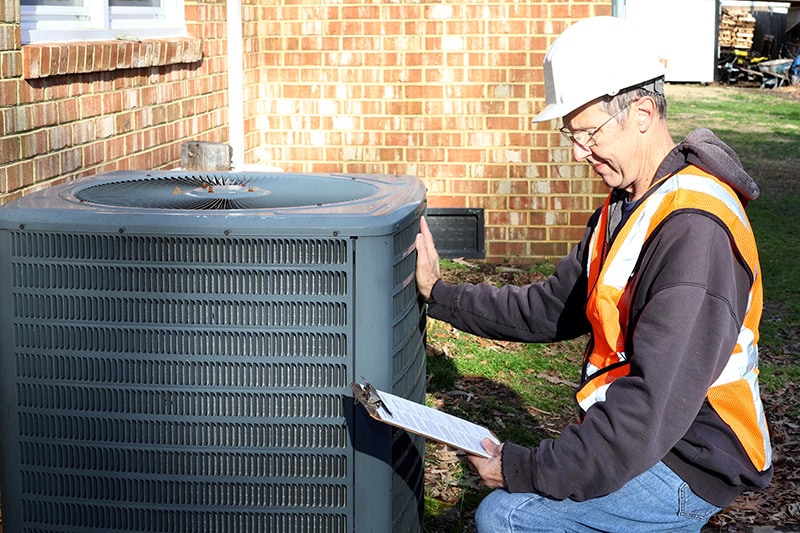
According to the U.S. DOE, a simple task such as changing the air filter on your HVAC system can improve efficiency by up to 15 percent.
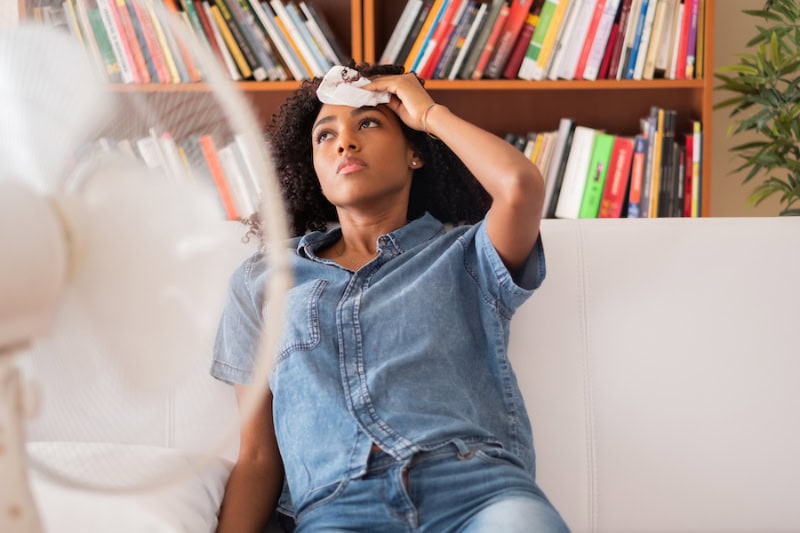
You can save between 5 and 15 percent of the energy used for your air conditioning by changing your filter along with other energy-saving actions.
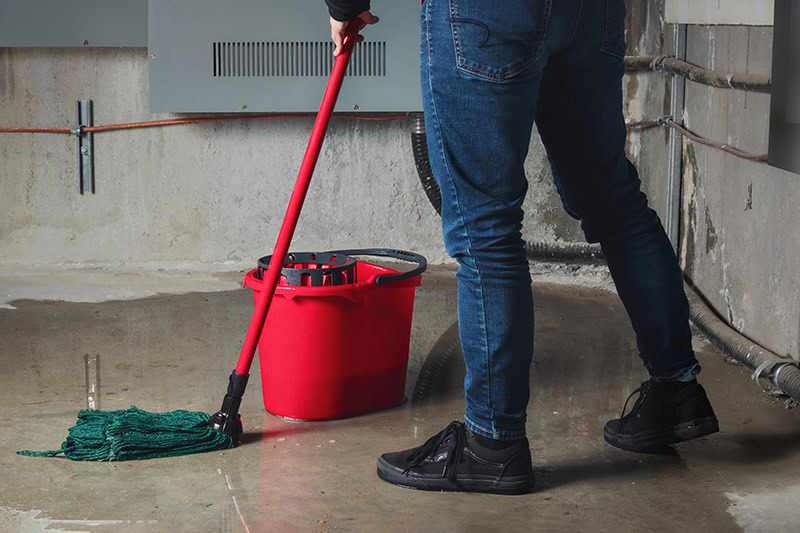
You just discovered there is a puddle of water on the floor in front of your furnace. What does this mean? Why would your furnace be leaking water?
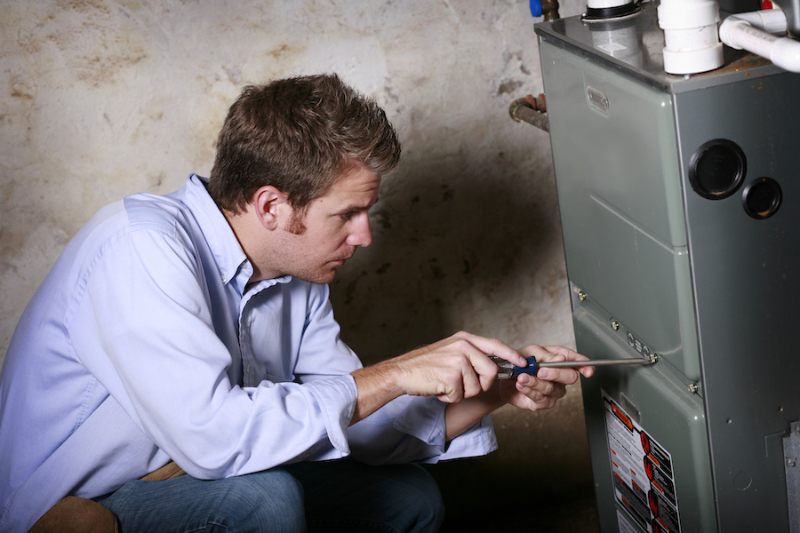
The same goes for a heat pump. The outdoor unit might be in perfect working condition. Still, the heating and cooling process stops without an indoor evaporator coil, connecting refrigerant lines, and a fan to blow conditioned air through ductwork.
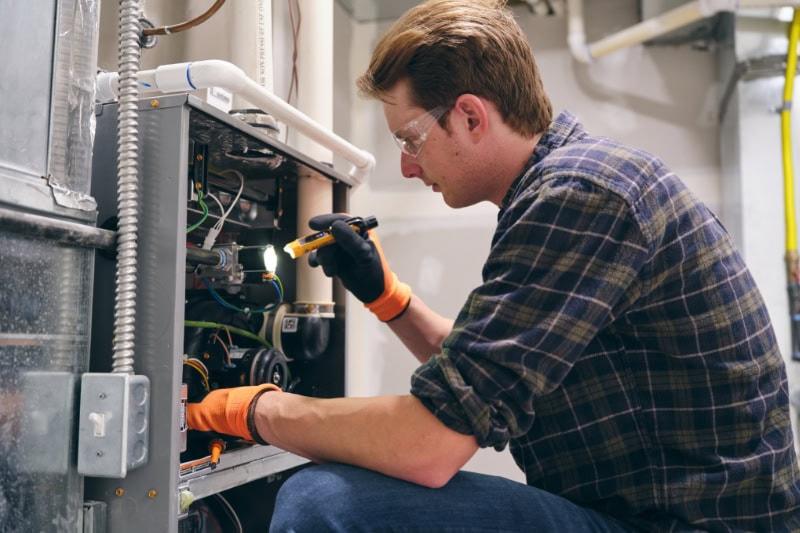
Your fuel-burning furnace has a number of mechanisms allowing it to run safely and effectively. These features prevent fires and protect your indoor air quality (IAQ). They also work to prevent internal errors from damaging large portions of your furnace.
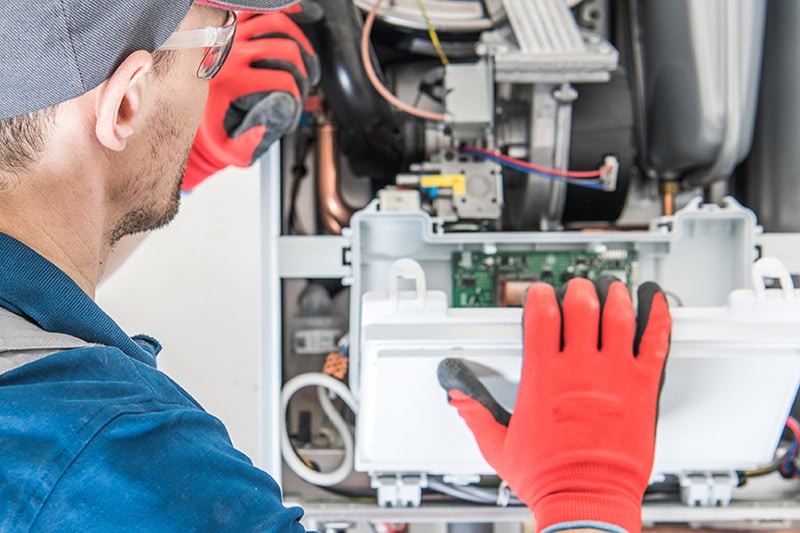
The average furnace lasts between 10 and 15 years. But did you know you can take steps to make it last longer? There is no shortcut or hack to increase your furnace’s longevity.
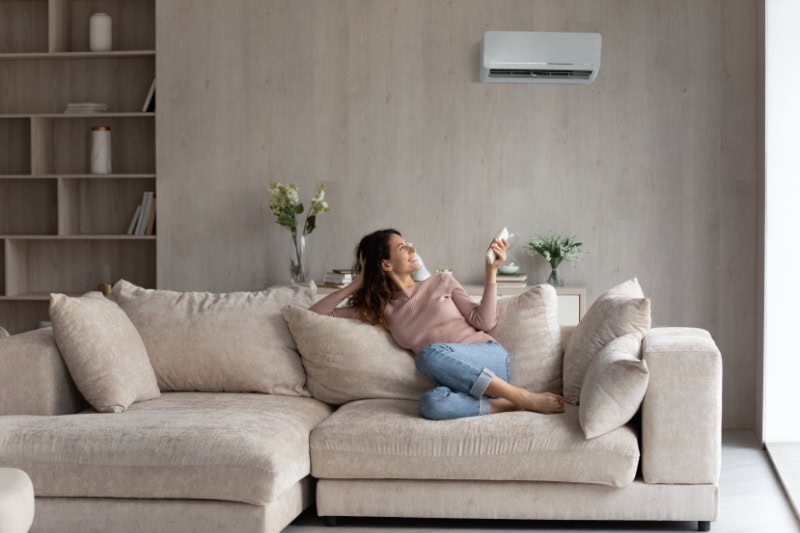
You probably already know about the advantages of ductless heating and cooling systems—and how they can significantly lower your Washington home’s carbon footprint while improving your indoor air quality (IAQ).

Want to heat and cool your Hurricane home, fight climate change, and save money—all at the same time?
Get a heat pump.

On a frosty winter’s day here in Utah, your gas furnace is hard at work, keeping your Hurricane home warm and cozy. Our team could help you save.

Winter is here. That means your family will be spending more time indoors to stay warm.